
Why Does Night Driving Get Harder With Cataracts? Understanding Glare, Halos, and Headlight Sensitivity

Why Does Night Driving Get Harder With Cataracts? Understanding Glare, Halos, and Headlight Sensitivity

Why Does Night Driving Get Harder With Cataracts? Understanding Glare, Halos, and Headlight Sensitivity


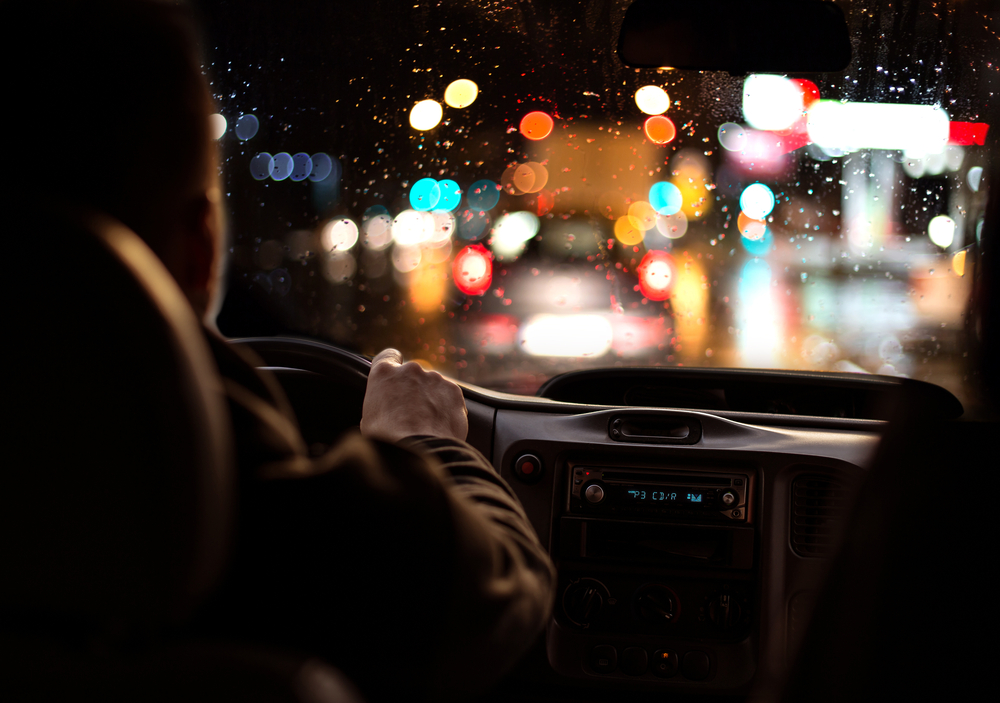
Night driving can become noticeably more difficult as cataracts develop. You may still see fairly well during the day but struggle once the sun goes down, especially when headlights, streetlights, and other bright sources enter your field of vision. At Sacramento Eye Consultants, we help patients understand how cataracts affect their vision and when it may be time to consider treatment.
Why Cataracts Affect Night Vision
A cataract develops when the eye’s normally clear natural lens becomes cloudy. Instead of allowing light to pass cleanly through the lens and focus on the retina, the cloudiness causes light to scatter.
At night, your pupils naturally become larger to let in more light. This can make the effects of a cataract more noticeable. Bright headlights against a dark background may create glare, halos, or starburst-like patterns that interfere with your ability to see the road clearly.
Common Cataract Symptoms
Night driving problems can appear gradually, so some people adjust their habits without realizing cataracts may be contributing. Common warning signs include:
• Glare from headlights or streetlights
• Halos around bright lights
• Increased sensitivity to headlights
• Difficulty seeing road signs in low light
• Reduced contrast between objects and dark backgrounds
You may also notice that oncoming headlights seem unusually bright or that you need more time to recognize pedestrians, lane markings, or objects along the side of the road.
Why Headlights Become So Bothersome
Modern headlights can already appear intense at night. When cataracts scatter that incoming light, the brightness may spread across more of your vision instead of remaining concentrated at its source. This can temporarily obscure details around the vehicle approaching you.
Cataracts can also reduce contrast sensitivity, making it more difficult to distinguish objects when there is little difference between light and dark areas. Together, glare and reduced contrast can make nighttime driving feel uncomfortable or less predictable.
When Should You Have Cataracts Evaluated?
Changes in night driving do not always mean you need cataract surgery immediately. Mild cataracts may sometimes be managed for a period of time with an updated glasses prescription and adjustments to driving habits.
However, cataracts generally become more significant over time. If glare, halos, blurry vision, or poor night vision are interfering with driving and other everyday activities, an eye examination can determine how much your cataracts are affecting your sight.
During cataract surgery, the cloudy natural lens is removed and replaced with a clear intraocular lens, or IOL. We can evaluate your eyes, discuss your visual concerns, and help determine whether cataract surgery is appropriate based on your individual needs.
If night driving has become difficult because of glare, halos, or headlight sensitivity, schedule a cataract evaluation with Sacramento Eye Consultants to learn more about your vision and whether cataract treatment may be right for you. Contact our office in Sacramento, Folsom, or Lincoln, California, by calling (916) 915-0300 to book an appointment.


Services
© 2026 Sacramento Eye Consultants. All Rights Reserved.
Accessibility Statement - Privacy Policy - Sitemap
Powered by:
